

Research Chemicals & Cathinones
What Are Research Chemicals?
Research chemicals are laboratory-created substances developed primarily for scientific and medical study. They often include experimental compounds that mimic the effects of established drugs but are not approved for medical use and lack long-term safety data. These substances are sometimes distributed illegally under names such as “designer drugs,” “legal highs,” or “new psychoactive substances (NPS).”
From a public health perspective, research chemicals can pose serious risks because:
-
Their chemical makeup is inconsistent
-
Potency varies widely
Understanding these substances is important for harm-reduction education, public safety, and awareness.
What Are Synthetic Cathinones?
Cathinones are a class of stimulant compounds chemically related to cathinone, a naturally occurring substance found in the khat plant. Synthetic cathinones—often called “bath salts,” “research chemicals,” or “party pills”—are artificially produced versions that have been associated with dangerous and unpredictable effects.
Commonly known synthetic cathinones include:
-
MDPV
-
Mephedrone
-
Alpha-PVP
-
N-ethylpentylone

Research chemical | Cathones or Cathinones
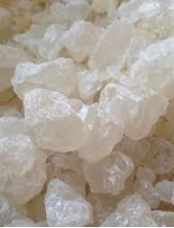
Research chemical | Cathones or Cathinones

Research chemical | Cathones or Cathinones

Research chemical | Cathones or Cathinones
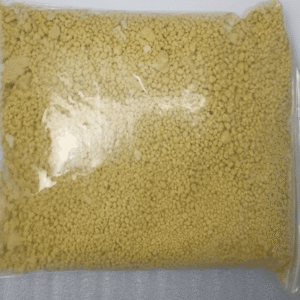
Research chemical | Cathones or Cathinones

Research chemical | Cathones or Cathinones

Research chemical | Cathones or Cathinones

Research chemical | Cathones or Cathinones
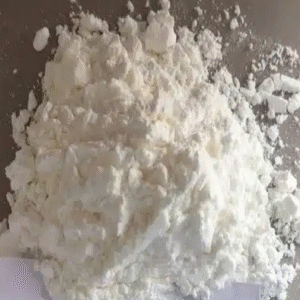
Research chemical | Cathones or Cathinones

Research chemical | Cathones or Cathinones

Research chemical | Cathones or Cathinones

Research chemical | Cathones or Cathinones